Samsung Bans Smart TV Apps That Share User Internet Connections
Samsung has banned smart TV applications that share users' internet connections with strangers. The move follows security research examining residential proxy networks.
Language:ENAR

AI-generated summary based on reports from techcrunch.comInstaBriefs does not carry out original reporting. Every fact below is traceable to the sources listed with this story.
30-second brief
Samsung has banned smart TV applications that route stranger traffic through users' internet connections following new security findings on residential proxy networks.
One-minute read
Samsung has banned smart TV applications that share users' internet connections with strangers. The decision follows recent security research providing insights into residential proxy networks. These networks operate by deploying software applications that share an individual's home internet connection with external parties. By prohibiting these apps on smart TVs, Samsung is targeting tools that expose user bandwidth to residential proxy routing.
Why this matters
Residential proxy networks can route external traffic through home devices, raising security and bandwidth concerns for consumers using connected smart TVs.
Background
Residential proxy networks rely on apps installed on consumer devices to route third-party internet traffic through personal residential IP addresses.
Key terms
- Residential proxy network
- A network that routes internet traffic through residential IP addresses provided by consumer devices.
Structured analysis built only from the verified reports behind this story.
AI analysis based on reports from techcrunch.com. Not original reporting.
Key facts
- Samsung has banned smart TV applications that share users' internet connections with strangers.
- The decision follows recent security research providing insights into residential proxy networks.
- These networks operate by deploying software applications that share an individual's home internet connection with external parties.
- By prohibiting these apps on smart TVs, Samsung is targeting tools that expose user bandwidth to residential proxy routing.
Samsung has taken steps to ban smart TV applications that share users' internet connections with strangers. The action addresses concerns over bandwidth sharing mechanisms present on television platforms.
New security research has offered a rare look inside residential proxy networks. These networks rely on software applications that allow third parties to route traffic through an individual's personal internet connection.
By restricting these applications on its smart TV ecosystem, Samsung aims to prevent unauthorized or undisclosed connection sharing across its device network.
Source attribution
Reported by 1 verified source· 1 verified outlet
Every brief lists the reporting it was written from.
- First published
- 3 Aug, 12:10
- Latest update
- 3 Aug, 12:10
- Confidence
- Medium
Based on how many independent verified outlets reported this story and whether their accounts agree.
- techcrunch.com
Verified outletZack Whittaker
Story timeline
How this story developed, oldest report first.
Samsung Bans Smart TV Apps That Share User Internet Connections
techcrunch.com
techcrunch.com
Tags
Samsung · Smart TV · Cybersecurity · Proxy Networks · Technology
This brief was written by AI from reported sources and reviewed against our editorial policy.
Related briefs

Samsung High-Speed NVMe SSD Sees Price Drop on Amazon
Amazon has discounted a heatsink-less high-speed NVMe SSD from Samsung, marking its lowest price point in recent months amidst high memory prices.

Horizon3 Reaches $2 Billion Valuation After $250 Million Series E Round
Cybersecurity startup Horizon3 secured $250 million in Series E funding at a $2 billion valuation, driven by enterprise demand for continuous AI-powered security validation over traditional annual penetration testing.

Visa Acquires Cybersecurity Firm BioCatch in $2.4 Billion Deal
Visa has agreed to acquire fraud intelligence provider BioCatch in a $2.4 billion deal aimed at strengthening its cybersecurity and risk management offerings.

Microsoft's AI Cybersecurity Push Expected to Drive MSFT Stock Growth
Microsoft's focus on integrating artificial intelligence into cybersecurity solutions is projected to become a key revenue growth driver for MSFT stock amid rising market demand for automated digital protection.
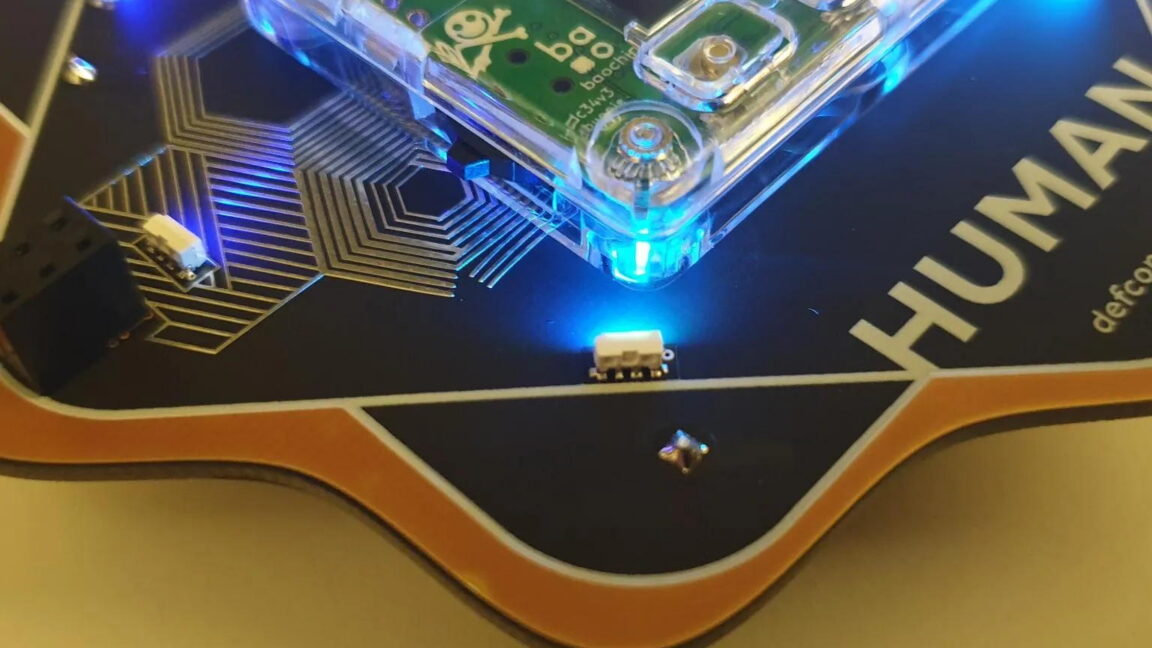
Defcon Unveils Open-Source Security Key Badge Designed by 'bunnie' Huang
Hardware hacker Andrew 'bunnie' Huang has designed a new open-source security key badge for the annual Defcon conference, shifting focus toward internal chip security and hardware transparency.
Discussion (0)
Discussion0 comments
Sign in to join the discussion.
No comments yet. Start the discussion.