Auckland Transport Apologises After Passenger with Assistance Dog Denied Bus Ride
Auckland Transport has issued an apology after a bus driver denied entry to a passenger traveling with a disability assistance dog, prompting a review of staff protocols.
Language:EN
AI-generated summary based on reports from rnz.co.nzInstaBriefs does not carry out original reporting. Every fact below is traceable to the sources listed with this story.
30-second brief
Auckland Transport apologized after a passenger traveling with a disability assistance dog was refused entry onto a bus. The agency confirmed that assistance animals are fully permitted on all public transit services.
One-minute read
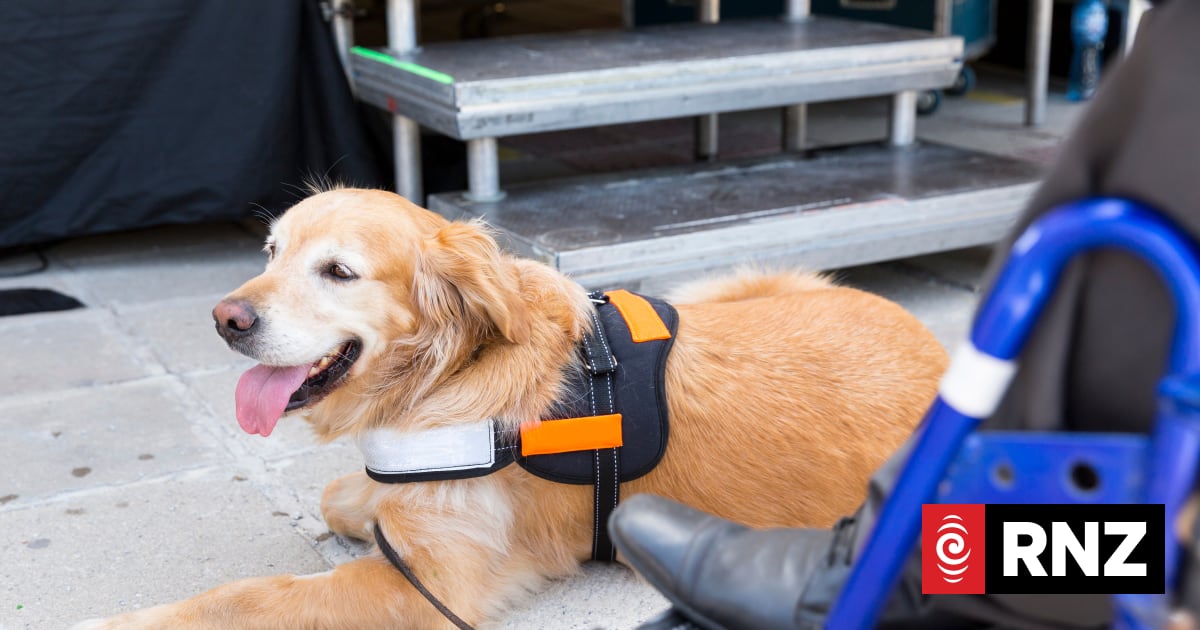
Auckland Transport has publicly apologized after a passenger accompanied by a disability assistance dog was denied boarding on a local bus service. Under New Zealand accessibility regulations, certified assistance animals are permitted on all public transit vehicles, including buses, trains, and ferries. The transport agency acknowledged the mistake and confirmed that the passenger should have been allowed on board. Auckland Transport announced plans to review the incident and reinforce staff training protocols across operating partner networks to ensure that all drivers understand accessibility guidelines and permit registered assistance animals on future journeys.
Why this matters
The incident highlights ongoing challenges in public transport accessibility and the importance of driver training regarding legal rights for individuals relying on assistance animals.
Background
Certified assistance dogs are trained to support individuals with disabilities and are protected under New Zealand accessibility regulations, granting them access to public facilities and transit networks.
Key terms
- Assistance Dog
- A dog specially trained to assist a person with a disability in performing daily tasks and navigating public spaces.
- Auckland Transport
- The council-controlled organization responsible for Auckland region's transport services and infrastructure.
Structured analysis built only from the verified reports behind this story.
AI analysis based on reports from rnz.co.nz. Not original reporting.
Key facts
- Auckland Transport has publicly apologized after a passenger accompanied by a disability assistance dog was denied boarding on a local bus service.
- Under New Zealand accessibility regulations, certified assistance animals are permitted on all public transit vehicles, including buses, trains, and ferries.
- The transport agency acknowledged the mistake and confirmed that the passenger should have been allowed on board.
- Auckland Transport announced plans to review the incident and reinforce staff training protocols across operating partner networks to ensure that all drivers understand accessibility guidelines and permit registered assistance animals on future journeys.
Auckland Transport has issued a formal apology after a passenger accompanied by a certified disability assistance dog was denied service on a local bus. The refusal prompted public concern regarding accessibility standards and policy enforcement across the city's public transit network.
Under New Zealand transport regulations and accessibility guidelines, certified assistance dogs are legally permitted to travel with their handlers on all public transport services, including buses, trains, and ferries. Auckland Transport acknowledged that the passenger should not have been turned away.
The regional transport authority confirmed that it is examining the circumstances surrounding the incident to ensure full adherence to accessibility rules. Auckland Transport emphasized its commitment to providing inclusive transit services and ensuring that front-line transit staff correctly identify and accommodate registered assistance animals.
Accessibility advocates note that denying transport to individuals with service animals places unnecessary barriers on daily mobility. In response, Auckland Transport indicated that communication and training programs for bus operators will be reinforced to prevent similar occurrences across the network.
Source attribution
Reported by 1 verified source· 1 verified outlet
Every brief lists the reporting it was written from.
- First published
- 4 Aug, 00:25
- Latest update
- 4 Aug, 00:25
- Confidence
- Medium
Based on how many independent verified outlets reported this story and whether their accounts agree.
- rnz.co.nz
Verified outlet
Story timeline
How this story developed, oldest report first.
Auckland Transport Apologises After Passenger with Assistance Dog Denied Bus Ride
rnz.co.nz
rnz.co.nz
Tags
Auckland Transport · New Zealand · Accessibility · Public Transport · Disability Rights
This brief was written by AI from reported sources and reviewed against our editorial policy.
Related briefs
Auckland Transport Apologizes After Assistance Dog Removed From Bus
Auckland Transport has apologized after an assistance dog was removed from a public bus, highlighting issues around transport accessibility policies.

Evangelical Leader Emphasizes Pastoral Support at Closing Conference Session
Dr. Rev. Andrea Zaki, head of Egypt's Evangelical Community, attended the closing session of a conference and highlighted that supporting pastors and their families enhances religious service.

Fireworks Cause Fire in Egyptian Groom's Apartment Before Wedding
An apartment belonging to a groom preparing for his wedding was completely destroyed by a fire in Kafr Taharmes, Egypt. Investigations revealed that fireworks ignited during celebrations triggered the blaze.

Sharqia Branch of National Council for Women Issues 4,500 Free ID Cards
The Sharqia Governorate branch of Egypt's National Council for Women has successfully issued and distributed 4,500 free national identification cards to women and girls in the region. The initiative included waiving official fines associated with delayed registration.

Daily Lifestyle Habits Linked to Premature Skin Aging
Wrinkles are prominent signs of skin aging, but their appearance is not strictly dictated by age. Daily practices like inadequate sleep and poor skin moisturization contribute directly to early skin aging.
Discussion (0)
Discussion0 comments
Sign in to join the discussion.
No comments yet. Start the discussion.