Daily Lifestyle Habits Linked to Premature Skin Aging
Wrinkles are prominent signs of skin aging, but their appearance is not strictly dictated by age. Daily practices like inadequate sleep and poor skin moisturization contribute directly to early skin aging.
Language:ENOriginal language: ARITESARFRZHDEKOPTTRRUJAHI

AI-generated summary based on reports from dostor.orgInstaBriefs does not carry out original reporting. Every fact below is traceable to the sources listed with this story.
30-second brief
Premature wrinkles are often influenced by routine lifestyle choices. Habits such as insufficient sleep and failing to moisturize weaken skin elasticity and health.
One-minute read
While wrinkles are a natural indicator of advancing age, everyday habits play a significant role in when they appear. Inadequate sleep deprives the skin of necessary recovery time, leading to visible signs of stress. Similarly, neglecting routine hydration compromises the skin's barrier and elasticity. Addressing daily routines, including sleep schedules and skin moisturizing practices, helps maintain skin health regardless of age.
Why this matters
Understanding the connection between daily habits and skin health allows individuals to take preventive steps against early aging factors.
Background
Skin health is influenced by both intrinsic biological factors and external environmental or behavioral influences.
Key terms
- Skin Hydration
- The process of maintaining adequate moisture levels in skin tissue to preserve elasticity and barrier function.
Structured analysis built only from the verified reports behind this story.
AI analysis based on reports from dostor.org. Not original reporting.
Key facts
- While wrinkles are a natural indicator of advancing age, everyday habits play a significant role in when they appear.
- Inadequate sleep deprives the skin of necessary recovery time, leading to visible signs of stress.
- Similarly, neglecting routine hydration compromises the skin's barrier and elasticity.
- Addressing daily routines, including sleep schedules and skin moisturizing practices, helps maintain skin health regardless of age.
Wrinkles are widely recognized as one of the primary signs of aging skin. However, biological age is not the sole factor determining when or how visibly these lines begin to develop.
Certain routine behaviors can accelerate changes in skin texture and appearance. Lack of adequate sleep prevents essential cellular recovery processes, which leaves the skin prone to premature signs of exhaustion and stress.
Neglecting proper skin hydration further weakens the protective barrier of the skin. Consistent exposure to dry conditions without adequate moisturizing can lead to a loss of elasticity, making fine lines and wrinkles more noticeable over time.
Source attribution
Reported by 1 verified source· 1 verified outlet
Every brief lists the reporting it was written from.
- First published
- 5 Aug, 11:54
- Latest update
- 5 Aug, 14:01
- Confidence
- Medium
Based on how many independent verified outlets reported this story and whether their accounts agree.
- dostor.org
Verified outlet
Story timeline
How this story developed, oldest report first.
Daily Lifestyle Habits Linked to Premature Skin Aging
dostor.org
dostor.org
Tags
lifestyle · skincare · health · wellness
This brief was written by AI from reported sources and reviewed against our editorial policy.
Related briefs

Evangelical Leader Emphasizes Pastoral Support at Closing Conference Session
Dr. Rev. Andrea Zaki, head of Egypt's Evangelical Community, attended the closing session of a conference and highlighted that supporting pastors and their families enhances religious service.

Fireworks Cause Fire in Egyptian Groom's Apartment Before Wedding
An apartment belonging to a groom preparing for his wedding was completely destroyed by a fire in Kafr Taharmes, Egypt. Investigations revealed that fireworks ignited during celebrations triggered the blaze.
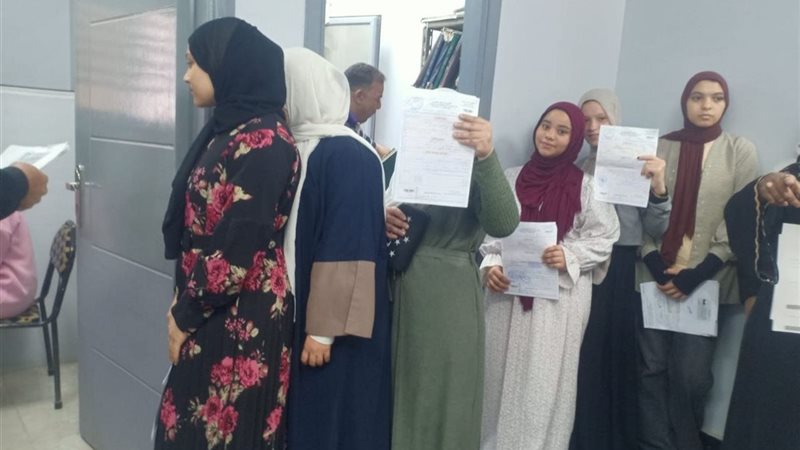
Sharqia Branch of National Council for Women Issues 4,500 Free ID Cards
The Sharqia Governorate branch of Egypt's National Council for Women has successfully issued and distributed 4,500 free national identification cards to women and girls in the region. The initiative included waiving official fines associated with delayed registration.
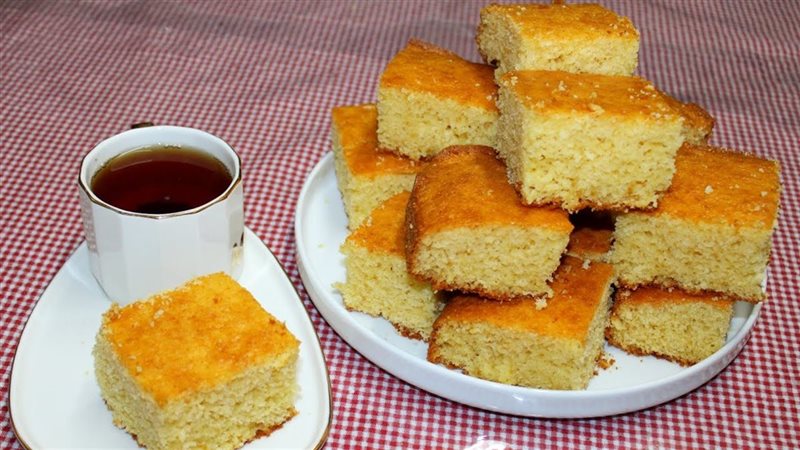
Bsesa Remains a Staple Traditional Dessert in Egyptian Cuisine
Bsesa is a classic traditional Egyptian cake recognized for its main ingredient, corn flour. The cake is known for its signature golden appearance, delicate texture, and rich flavor profile.
Discussion (0)
Discussion0 comments
Sign in to join the discussion.
No comments yet. Start the discussion.