Ike Theriot Leads NASA Surface Testing for Artemis Lunar Missions
Ike Theriot, Flight Operations Surface Testing lead at NASA's Johnson Space Center, is helping prepare astronauts for upcoming Artemis missions by developing simulated moonwalks, evaluating spacesuits, and conducting field training.
Language:ENAR
AI-generated summary based on reports from nasa.govInstaBriefs does not carry out original reporting. Every fact below is traceable to the sources listed with this story.
30-second brief
NASA's Ike Theriot is preparing astronauts for Artemis lunar missions by running simulated moonwalks, testing spacesuits, and conducting field geology exercises in remote, moon-like environments.
One-minute read
Ike Theriot, the Flight Operations Surface Testing lead at NASA's Johnson Space Center, plays a key role in preparing astronauts for future Moon landings under the Artemis program. Theriot designs and executes simulated surface walks in facilities such as the Neutral Buoyancy Laboratory and ARGOS, testing both NASA designs and Axiom Space's AxEMU spacesuit. He also helped create the Lunar Grid Reference System for lunar navigation and trained with Artemis II astronauts at Canada's Kamestastin Crater. A U.S. Army veteran and mechanical engineer, Theriot is now transitioning to mission development and execution for upcoming lunar landings.
Why this matters
Simulating lunar operations and testing suit hardware on Earth is essential to ensuring safety, operational reliability, and mission success as NASA prepares to send humans back to the Moon.
Background
NASA's Artemis program aims to land the first woman and first person of color on the Moon and establish a sustainable presence to prepare for future human missions to Mars.
Key terms
- Artemis Program
- NASA's human spaceflight program focused on lunar exploration and long-term space exploration.
- AxEMU
- Axiom Extravehicular Mobility Unit, the next-generation lunar spacesuit developed by Axiom Space for NASA's Artemis missions.
- ARGOS
- Active Response Gravity Offload System, a NASA facility that simulates low-gravity environments like the Moon or microgravity.
Structured analysis built only from the verified reports behind this story.
AI analysis based on reports from nasa.gov. Not original reporting.
Key facts
- Ike Theriot, the Flight Operations Surface Testing lead at NASA's Johnson Space Center, plays a key role in preparing astronauts for future Moon landings under the Artemis program.
- Theriot designs and executes simulated surface walks in facilities such as the Neutral Buoyancy Laboratory and ARGOS, testing both NASA designs and Axiom Space's AxEMU spacesuit.
- He also helped create the Lunar Grid Reference System for lunar navigation and trained with Artemis II astronauts at Canada's Kamestastin Crater.
- Army veteran and mechanical engineer, Theriot is now transitioning to mission development and execution for upcoming lunar landings.
Key numbers
- 40
- Theriot develops and executes simulated moonwalks using facilities such as NASA’s 40-foot-deep Neutral Buoyanc
- 2019.
- Army veteran who served in Iraq and Afghanistan, Theriot earned a mechanical engineering degree from the Unive
Ike Theriot serves as the Flight Operations Surface Testing lead within the EVA, Robotics, and Crew Operations Division at NASA’s Johnson Space Center in Houston. In his role, he integrates testing requirements across the Artemis program, ensuring flight teams and astronauts gain the data, procedures, and practical experience necessary for lunar surface operations.
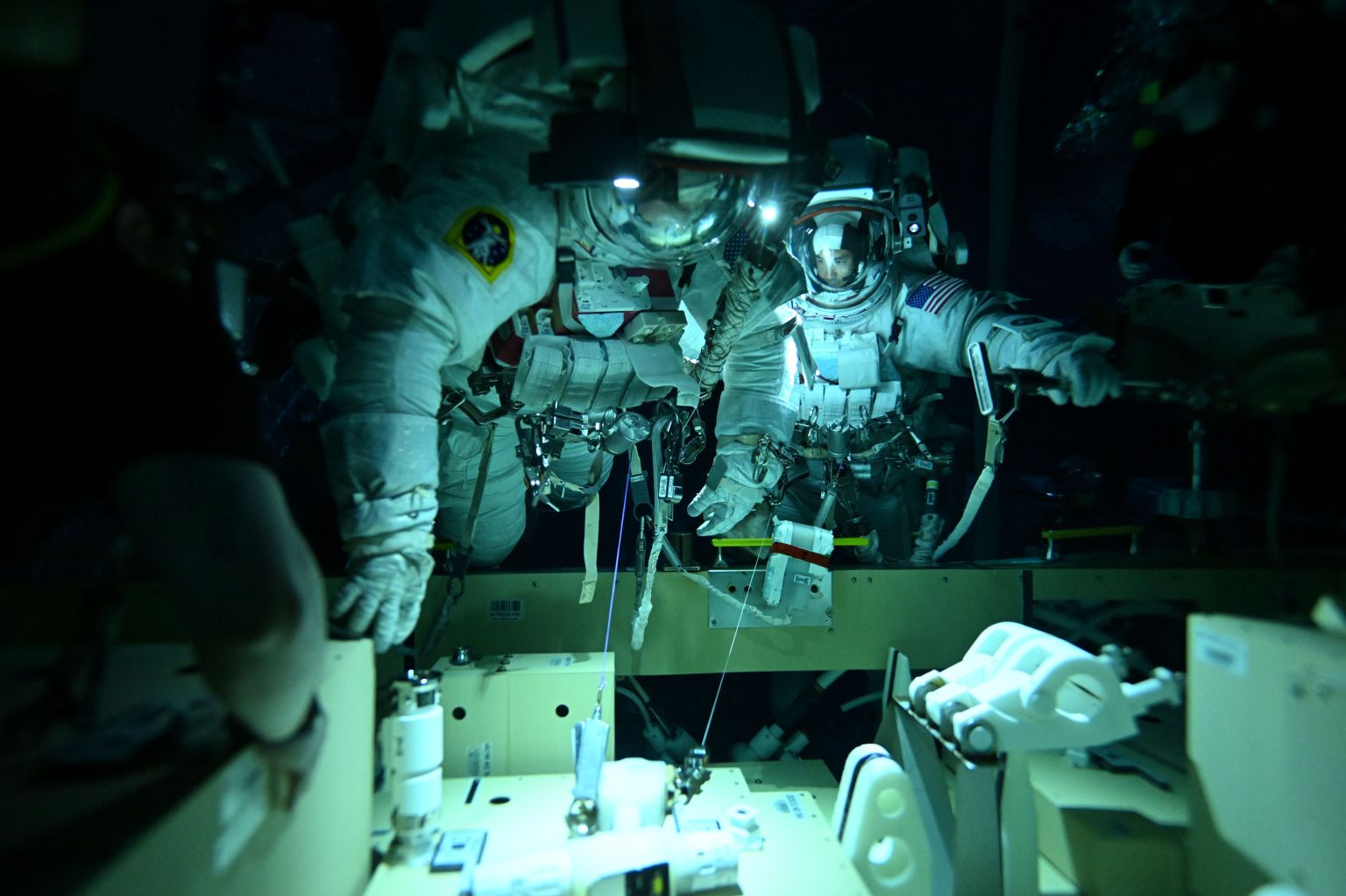
Theriot develops and executes simulated moonwalks using facilities such as NASA’s 40-foot-deep Neutral Buoyancy Laboratory and the Active Response Gravity Offload System (ARGOS). His work includes testing NASA's government reference spacesuit and Axiom Space's lunar spacesuit, the Axiom Extravehicular Mobility Unit (AxEMU). Additionally, he helped lead the development of the Lunar Grid Reference System, which is now incorporated into flight control systems for human operations on the Moon.
His preparations extend beyond simulated facilities into remote terrestrial environments that mirror lunar terrain. Theriot participated in field geology exercises at Kamestastin Crater in Labrador, Canada, alongside members of the Artemis II crew, testing equipment and procedures on terrain similar to areas astronauts will encounter on the lunar surface.
A former U.S. Army veteran who served in Iraq and Afghanistan, Theriot earned a mechanical engineering degree from the University of Houston before accepting a full-time position at NASA in 2019. He is currently transitioning to focus on mission development, astronaut training, and mission execution for the next lunar landing.
Source attribution
Reported by 1 verified source· 1 verified outlet
Every brief lists the reporting it was written from.
- First published
- 3 Aug, 14:00
- Latest update
- 3 Aug, 14:00
- Confidence
- Medium
Based on how many independent verified outlets reported this story and whether their accounts agree.
- nasa.gov
Verified outletSumer Loggins
Story timeline
How this story developed, oldest report first.
Ike Theriot Leads NASA Surface Testing for Artemis Lunar Missions
nasa.gov
nasa.gov
Tags
NASA · Artemis · Moon · Astronauts · Space Exploration
This brief was written by AI from reported sources and reviewed against our editorial policy.
Related briefs

NASA Imagery Details Twice-Daily Tidal Shifts in Guinea-Bissau Archipelago
Satellite imagery from NASA and the USGS highlights how daily tides reshape Guinea-Bissau's Bijagós Archipelago, temporarily expanding island landmasses during low tide.
NASA Delivers NavCube3-mini Navigation System for Commercial Lunar Relay
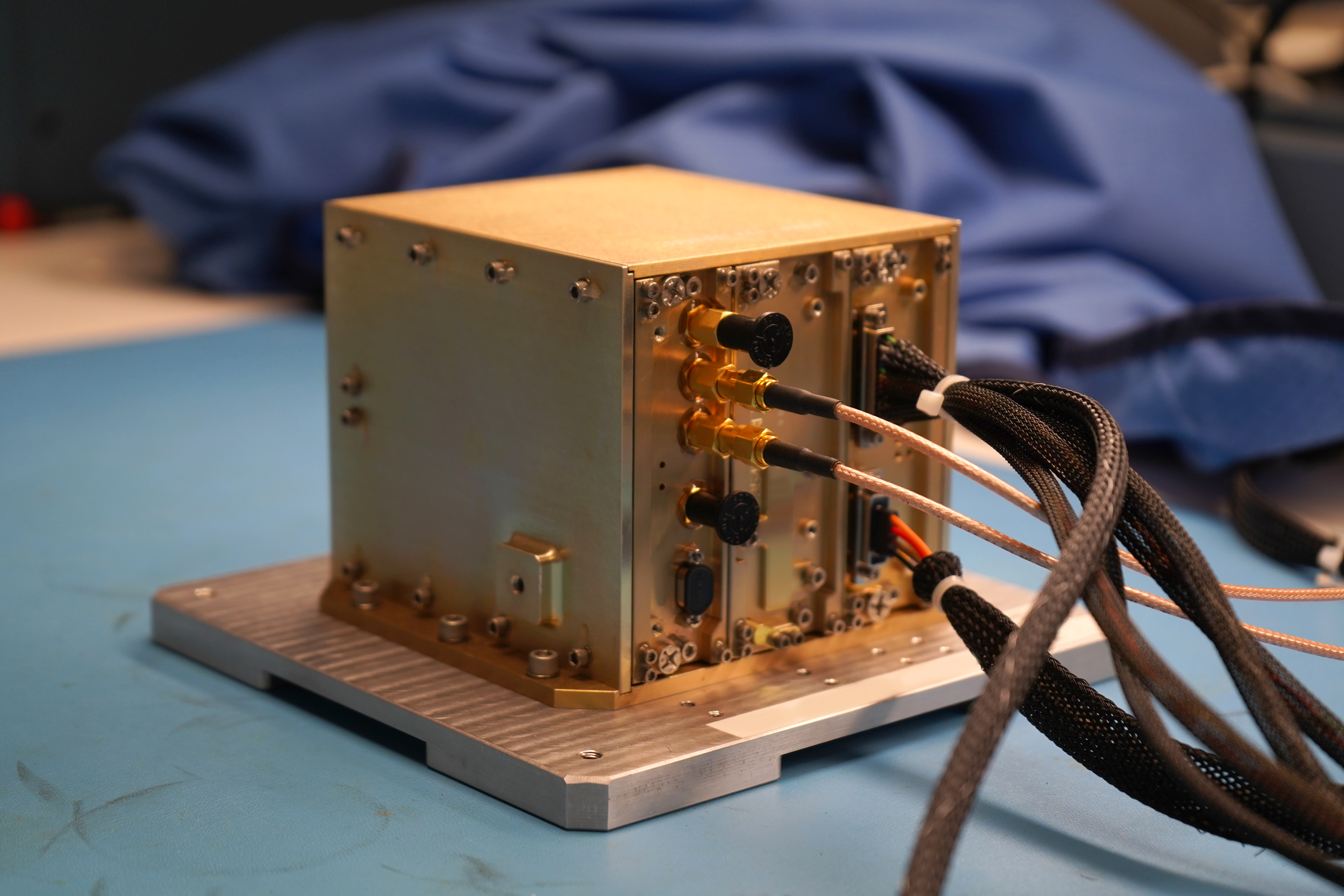
NASA delivered its compact NavCube3-mini navigation receiver to Intuitive Machines on July 13 for integration into the Altus-1 lunar relay satellite. The receiver uses Earth-based GPS and Galileo signals to track positions in lunar orbit, supporting future crewed and robotic missions to the Moon.

NASA Highlights Artemis Missions and Space Science at FIFA World Cup
NASA engaged over 500,000 visitors with interactive exhibits, astronaut appearances, and educational displays at the FIFA Fan Festival in Houston during the World Cup tournament.

NASA Highlights Vaporizing Meteor Over the Lacerta Nebula
NASA's Astronomy Picture of the Day highlighted a streak of a vaporizing meteor caught on camera directly in front of the Great Lacerta Nebula.

NASA Highlights 'Fire Rainbow' Phenomenon Over West Virginia
NASA's Astronomy Picture of the Day featured a circumhorizontal arc, popularly known as a 'fire rainbow,' captured near North Fork Mountain in West Virginia. The visual phenomenon relies on specific solar angles and horizontally aligned ice crystals in high cirrus clouds.
Engineers Work to Rescue Satellite Sent to Save NASA's Swift Mission
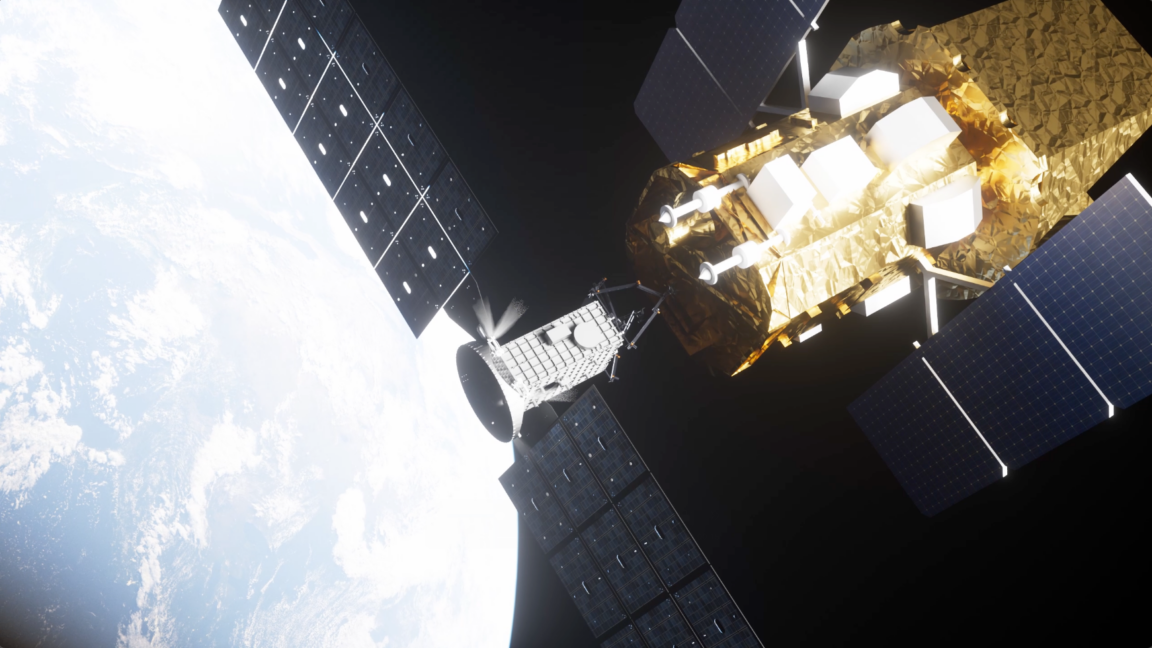
A refrigerator-sized rescue satellite named Link spun out of control during a mission to boost the orbit of NASA's $500 million Swift gamma-ray observatory. Engineers are currently attempting to fix thruster and hardware issues to regain control.
Discussion (0)
Discussion0 comments
Sign in to join the discussion.
No comments yet. Start the discussion.