FAA Approves Smallest Boeing 737 Max After Years of Delays
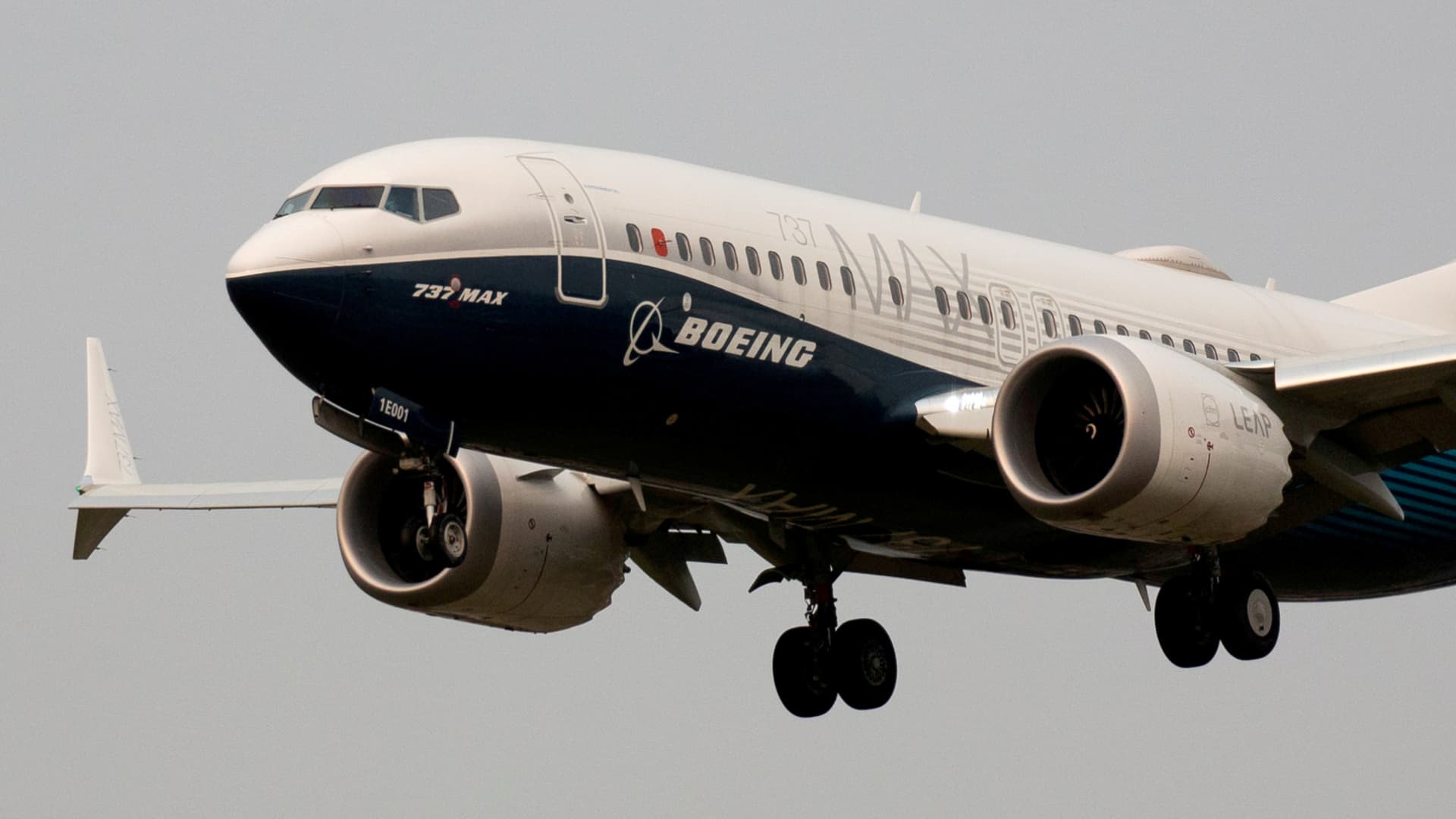
The FAA has officially cleared the smallest Boeing 737 Max variant to fly following years of certification delays. Airlines can start passenger service once individual aircraft are certified, though full integration into flight schedules will take months.
Language:ENAR
AI-generated summary based on reports from cnbc.comInstaBriefs does not carry out original reporting. Every fact below is traceable to the sources listed with this story.
30-second brief
The FAA has cleared the smallest Boeing 737 Max model to fly following years of delays. Airlines will begin flying passengers after certifying individual planes, a process expected to take several months to reflect in flight schedules.
One-minute read
The Federal Aviation Administration has cleared the smallest variant of the Boeing 737 Max aircraft to fly following years of regulatory delays. With official approval granted, commercial airlines can soon begin carrying passengers on the new planes. However, carriers must first complete individual aircraft certifications and final preparations. Aviation operations require significant lead time, meaning that integrating the new aircraft into established commercial flight schedules will take several months. As a result, while the regulatory clearance is complete, passenger service will roll out gradually across carrier networks as airlines adjust their schedules and operations.
Why this matters
This approval marks the end of years of regulatory delays for Boeing's smallest 737 Max model, enabling airlines to expand fleet capacity once integration into schedules is complete.
Background
The Boeing 737 Max family faced long certification timelines and heightened regulatory oversight before securing approvals for its various aircraft variants.
Key terms
- FAA
- Federal Aviation Administration, the agency responsible for regulating civil aviation in the United States.
- Certification
- The formal process by which aviation authorities confirm an aircraft design meets safety standards.
Structured analysis built only from the verified reports behind this story.
AI analysis based on reports from cnbc.com. Not original reporting.
Key facts
- The Federal Aviation Administration has cleared the smallest variant of the Boeing 737 Max aircraft to fly following years of regulatory delays.
- With official approval granted, commercial airlines can soon begin carrying passengers on the new planes.
- However, carriers must first complete individual aircraft certifications and final preparations.
- Aviation operations require significant lead time, meaning that integrating the new aircraft into established commercial flight schedules will take several months.
- As a result, while the regulatory clearance is complete, passenger service will roll out gradually across carrier networks as airlines adjust their schedules and operations.
Key numbers
- 737
- The Federal Aviation Administration has cleared the smallest variant of the Boeing 737 Max aircraft to fly fol
The Federal Aviation Administration has granted approval for the smallest variant of Boeing's 737 Max aircraft family to fly. The regulatory milestone follows years of accumulated delays surrounding the certification process for the plane.
Following the federal approval, airlines are set to begin passenger operations once individual aircraft complete their formal certification requirements. The decision allows carriers that have ordered the smallest 737 Max model to move forward with operational preparations.
Despite the official clearance from aviation regulators, passenger service will not be immediate across all fleets. Airlines typically need several months to integrate new aircraft models into their active schedules, coordinate crew assignments, and assign specific flight routes.
The clearance represents a key step for Boeing and its commercial airline customers after prolonged timelines. Carriers will now begin working through regulatory and operational procedures to introduce the jets into commercial service in the coming months.
Source attribution
Reported by 1 verified source· 1 verified outlet
Every brief lists the reporting it was written from.
- First published
- 3 Aug, 16:57
- Latest update
- 3 Aug, 16:57
- Confidence
- Medium
Based on how many independent verified outlets reported this story and whether their accounts agree.
- cnbc.com
Verified outlet
Story timeline
How this story developed, oldest report first.
FAA Approves Smallest Boeing 737 Max After Years of Delays
cnbc.com
cnbc.com
Tags
Boeing · FAA · Boeing 737 Max · Aviation · Airlines
This brief was written by AI from reported sources and reviewed against our editorial policy.
Related briefs

Boeing Shares Surge Following Three Positive Developments
Boeing shares recorded significant gains following a trio of positive developments. The market movement was featured in the Investing Club's daily Homestretch afternoon update.

Boeing Stock Lifts Dow Following Double Upgrade
Boeing stock advanced after receiving a double upgrade, helping lift the Dow Jones Industrial Average.

Damietta Governor Chairs Meeting to Boost Factory Safety Standards
Dr. Hossam El-Din Fawzy, Governor of Damietta, led an expanded meeting to evaluate and enhance safety mechanisms in factories located within Damietta City's industrial zone.

Telecom Egypt Launches New Summer Promotional Campaign for Customers
Telecom Egypt (WE) has introduced its new summer campaign designed to provide customers with added value, exclusive offers, and tailored benefits.

Egypt Media Council Explores Investment Cooperation with Zee Entertainment
Engineer Khaled Abdel Aziz, head of Egypt's Supreme Council for Media Regulation, received a delegation from Zee Entertainment Middle East to discuss media investment opportunities and strategic cooperation.

NACCIMA Unveils $150 Million Offshore Financing Facility for Nigerian Businesses
NACCIMA has launched a $150 million offshore financing facility designed to provide Nigerian businesses with access to long-term credit at single-digit interest rates.
Discussion (0)
Discussion0 comments
Sign in to join the discussion.
No comments yet. Start the discussion.